
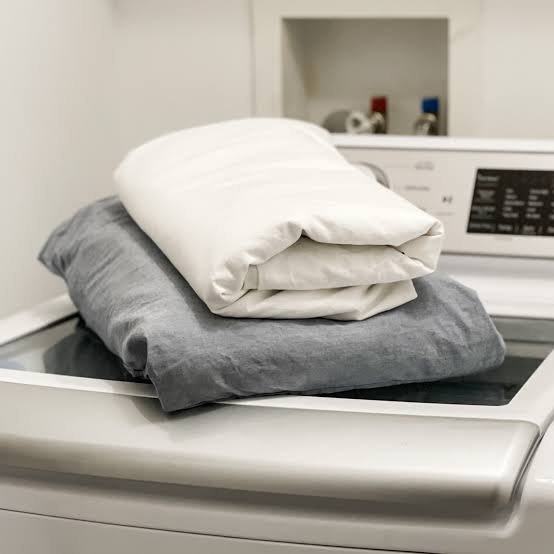
Keeping your bed fresh, comfortable, and clean is an important part of maintaining a healthy home. However, washing, drying, folding, and changing bed sheets can quickly become time-consuming, especially when you have a busy schedule or a household with multiple bedrooms. Without a proper system, you may find yourself running out of clean sheets, struggling to finish laundry on time, or searching through cupboards for matching pillowcases.
A well-planned bedding rotation can make these tasks much easier. By organizing your bedding into manageable sets and following a consistent washing schedule, you can keep your bedroom comfortable without turning laundry day into a major chore.
Whether you live alone, share a home with family, or manage several guest bedrooms, creating a practical bedding rotation helps you stay organized and make better use of your time. The key is to have the right number of bedding sets, assign a regular changing schedule, and store everything in a way that makes each changeover simple.
In this guide, you will learn how to build a bedding rotation that reduces laundry stress, keeps clean sheets readily available, and helps your bedding last longer.
What Is a Bedding Rotation?
A bedding rotation is a simple system for alternating between multiple sets of bed sheets, pillowcases, and other washable bedding items.
Instead of washing and reusing the same set repeatedly, you keep two or more complete sets available. When one set is removed from the bed, it goes into the laundry while another clean set is ready to use.
For example, you might use Set A during the first week, replace it with Set B on laundry day, and wash Set A before storing it for its next turn. This approach prevents you from having to wait for freshly washed sheets to dry before making the bed.
A rotation also helps distribute wear across your bedding collection. Rather than repeatedly using one favorite set, you give all your sets an opportunity to be used and washed.
The result is a more predictable laundry routine, less last-minute washing, and a bedroom that is easier to maintain.
Step 1: Decide How Many Bedding Sets You Need
The first step is determining how many complete bedding sets will make your routine easier.
For most households, two or three sets per bed provide a useful starting point. The right number depends on how frequently you wash your sheets, how quickly they dry, your household size, and whether you have pets or children.
The Two-Set System
A two-set rotation works well for people who prefer to keep their bedding collection simple.
One set is on the bed, while the second is clean and ready to replace it. After changing the sheets, you wash the used set and return it to storage once it is completely dry.
Best for: Individuals, couples, and households with reliable laundry access and enough time to wash and dry bedding between changes.
The Three-Set System
A three-set rotation provides more flexibility.
One set is in use, another is clean and ready for the next change, and the third is being washed, dried, or kept in reserve.
This arrangement is particularly useful if you have a busy schedule, share laundry facilities, or sometimes need to change your bedding unexpectedly.
Best for: Families, busy professionals, homes with pets, and anyone who wants an extra backup set.
The Four-Set System
Four sets may be helpful for households with young children, frequent overnight guests, or multiple laundry days between bedding changes.
However, buying additional bedding is not always necessary. If you have limited storage space or wash sheets promptly, two or three sets may be sufficient.
The goal is to choose a rotation that fits your lifestyle rather than accumulating more linens than you need.
Step 2: Establish a Consistent Bedding Change Schedule
A bedding rotation works best when you follow a predictable schedule. Instead of waiting until your sheets look dirty, decide in advance when you will change them.
For many households, washing sheets approximately once a week is a practical starting point. You may need to change them more frequently if you sweat heavily, have allergies, share your bed with pets, or experience spills and other messes.
Pillowcases may also need more frequent washing because they come into direct contact with your face and hair.
Choose a day that fits naturally into your routine. For example, you could change your sheets every Sunday morning and wash the removed bedding on the same day.
A simple weekly schedule might look like this:
-
Sunday: Remove used bedding and make the bed with a clean set.
-
Sunday afternoon: Wash and dry the used sheets and pillowcases.
-
Sunday evening: Fold the clean bedding and return it to storage.
-
Following Sunday: Repeat the process with the next set.
If Sunday is usually busy, select another day. Consistency matters more than choosing a particular day of the week.
Step 3: Keep Each Bedding Set Together
One of the easiest ways to simplify laundry is to store complete bedding sets together.
Searching for matching pillowcases or the correct fitted sheet can waste time, especially when several sets have similar colors.
Instead, create a complete bundle containing the fitted sheet, flat sheet if you use one, and matching pillowcases. Fold the pieces neatly and place them inside one of the pillowcases to keep everything together.
You can then store each bundle separately in a linen cupboard, drawer, or labeled storage container.
For households with multiple beds, label each set by room or mattress size. For example, use labels such as:
-
Main bedroom — king
-
Guest bedroom — queen
-
Children’s room — single
This method makes it easier to find the right bedding without unfolding several sets.
If your bedding collection includes different colors or patterns, choosing a simple color scheme for each bedroom can make organization even easier.
Step 4: Choose Bedding That Is Easy to Wash and Dry
Your choice of bedding material can have a significant effect on how manageable your laundry routine becomes.
Some fabrics dry relatively quickly, while others are thicker, heavier, or more likely to wrinkle. Consider your washing machine capacity, drying arrangements, and available storage when selecting new sheets.
Cotton Bedding
Cotton is a popular choice because it is comfortable, breathable, and available in a wide range of styles.
Lightweight cotton sheets may be easier to wash and dry than heavier fabrics, although drying time depends on the weave, fabric weight, humidity, and drying method.
Cotton Percale
Percale cotton generally has a crisp, lightweight feel. It may appeal to people who prefer breathable bedding and a fresh, hotel-inspired sleeping surface.
Its practical laundry performance depends on the quality and construction of the fabric.
Cotton Sateen
Cotton sateen usually has a smoother, softer finish than percale. It can feel luxurious, although some products may be heavier or require more attention to prevent wrinkles.
Linen Bedding
Linen is valued for its breathable texture and relaxed appearance. It often develops a naturally rumpled finish after washing, which may be appealing if you prefer a casual style.
Before purchasing any bedding, check the care label for washing temperatures, drying instructions, and any special requirements. Easy-care materials can reduce the effort involved in maintaining your rotation.
Step 5: Make Laundry Day More Efficient
A bedding rotation is most effective when changing sheets and doing laundry are part of the same routine.
Start by removing all bedding that needs washing and separating items according to their care requirements. Avoid overloading the washing machine, because bedding needs enough room for effective cleaning and rinsing.
Wash sheets using the detergent and water temperature recommended on their care labels. If you have multiple beds, consider washing similar items together when your machine capacity allows.
Dry bedding thoroughly before folding and storing it. Damp sheets can develop unpleasant odors and may encourage mildew during storage.
If you have limited drying space, stagger your laundry. Wash one bedroom’s bedding first, then handle the next load after the first is finished.
You can also simplify the process by folding sheets as soon as they are dry and returning each complete set to its designated storage space.
A few small habits can make a significant difference:
-
Keep detergent and laundry supplies in one convenient location.
-
Use a laundry basket specifically for bedding.
-
Set a regular reminder for changing sheets.
-
Fold complete sets together instead of storing individual pieces separately.
-
Return clean bedding to storage immediately rather than leaving it in a laundry basket.
Step 6: Create a Simple Bedding Rotation Chart
If you manage multiple bedrooms, a rotation chart can help prevent confusion and ensure that each bed receives fresh bedding on schedule.
Here is an example of a two-bedroom household using three sets per bed.
|
Week |
Main Bedroom |
Guest Bedroom |
|
Week 1 |
Set A |
Set A |
|
Week 2 |
Set B |
Set B |
|
Week 3 |
Set C |
Set C |
|
Week 4 |
Set A |
Set A |
After each change, wash the used set and return it to the clean rotation when it is completely dry.
You do not need to follow a complicated tracking system. A small note on your phone, a wall calendar, or a checklist inside your linen cupboard may be enough.
For a household with several beds, record the last change date and which set is currently in use. This is particularly useful for guest rooms that are not occupied regularly.
Step 7: Organize Your Linen Storage
Good storage prevents clean bedding from becoming another source of clutter.
Choose a cool, dry, well-ventilated cupboard or drawer for your clean linens. Avoid storing bedding in a damp area or placing it away while it is still moist.
Use shelf dividers or storage baskets to separate different bed sizes. If you have several sets, label each container so that you can identify its contents quickly.
Keep frequently used bedding at an accessible height and reserve higher shelves for seasonal or occasional-use items.
It is also helpful to review your collection every few months. Remove sheets that no longer fit, have become uncomfortable, or are too worn to use.
A smaller, well-organized collection is often easier to maintain than a large cupboard filled with mismatched linens.
Step 8: Adjust Your Rotation for Your Lifestyle
There is no single bedding rotation that works for everyone. Your routine should reflect how you sleep, who shares your bed, and how often your bedding needs attention.
For Busy Professionals
Choose a fixed weekly change day and keep at least one complete spare set ready. Lightweight bedding may be useful if you need laundry to dry quickly.
For Families With Children
Keep an additional set available for beds that may need unexpected changes. Store each child’s bedding separately to make replacements easier.
For Homes With Pets
Consider washing sheets more frequently if pets sleep on the bed. A washable protective layer can help keep the underlying bedding cleaner between changes.
For Guest Bedrooms
Keep at least one clean set ready for unexpected visitors. If the room is used infrequently, inspect the stored bedding before guests arrive and wash it if needed.
For Small Apartments
A two-set rotation may be the most practical choice when cupboard space is limited. Store each complete set inside a pillowcase or use a compact fabric storage bag.
Common Bedding Rotation Mistakes to Avoid
Even a simple rotation can become inconvenient if you overlook a few important details.
Keeping too few sets: If every spare set is in the laundry at the same time, you may be forced to wait before making the bed. Maintain enough clean bedding to cover your usual laundry schedule.
Storing damp sheets: Bedding should be fully dry before storage to reduce the risk of mildew and unpleasant smells.
Ignoring care labels: Incorrect washing or drying can cause shrinking, fading, and unnecessary fabric wear.
Buying too many sets: Excess bedding creates additional storage and laundry demands. Purchase only what your household can comfortably maintain.
Forgetting pillowcases: Include pillowcases in your rotation and change them as frequently as your hygiene needs require.
Leaving clean bedding unfolded: Clean sheets left in laundry baskets can become wrinkled and make it harder to identify complete sets.
Avoiding these mistakes will help keep your system simple and sustainable.
Conclusion
Building a bedding rotation is a straightforward way to make laundry easier while keeping your bedroom clean, comfortable, and organized. By maintaining two or three complete sets, choosing a regular change day, storing matching pieces together, and following appropriate washing and drying practices, you can reduce last-minute chores and avoid running out of clean sheets.
The best system is one that fits your household’s needs without creating unnecessary work. Start with the bedding you already own, identify any gaps, and develop a routine that you can follow consistently.
With a little planning, changing bed sheets becomes a predictable household task rather than a time-consuming chore. A well-organized bedding rotation saves effort, protects your linens, and helps make a fresh bed part of your everyday comfort.
FAQs
1. How many bedding sets should I have per bed?
Two or three complete bedding sets per bed are usually a practical starting point. Two sets can work well when you wash bedding promptly, while three provide additional flexibility if laundry is delayed or unexpected changes are needed.
2. How often should I change my bed sheets?
For many households, changing bed sheets approximately once a week is a reasonable routine. You may need to change them more frequently if you sweat heavily, have allergies, share your bed with pets, or experience spills. Always adjust the schedule to your personal hygiene needs.
3. What is the easiest way to store complete bedding sets?
Fold the fitted sheet, flat sheet, and matching pillowcases together, then place the bundle inside one pillowcase. Store each set on a designated shelf or in a labeled container so you can find everything quickly.
4. How can I make bedding laundry dry faster?
Avoid overloading the washing machine, follow the fabric’s care instructions, and provide adequate airflow during drying. Lightweight sheets may dry faster than heavy fabrics. Make sure all bedding is completely dry before folding and storing it.
5. Is a three-set bedding rotation worth it?
Yes, a three-set rotation can be useful if you want more flexibility. One set can be on the bed, another can be ready for the next change, and the third can be in the laundry or stored as a backup. However, a two-set system may be sufficient if you have limited storage and a reliable laundry routine.